Wins elsewhere
How one Canberra suburb took on Google's delivery drones, and changed the rules
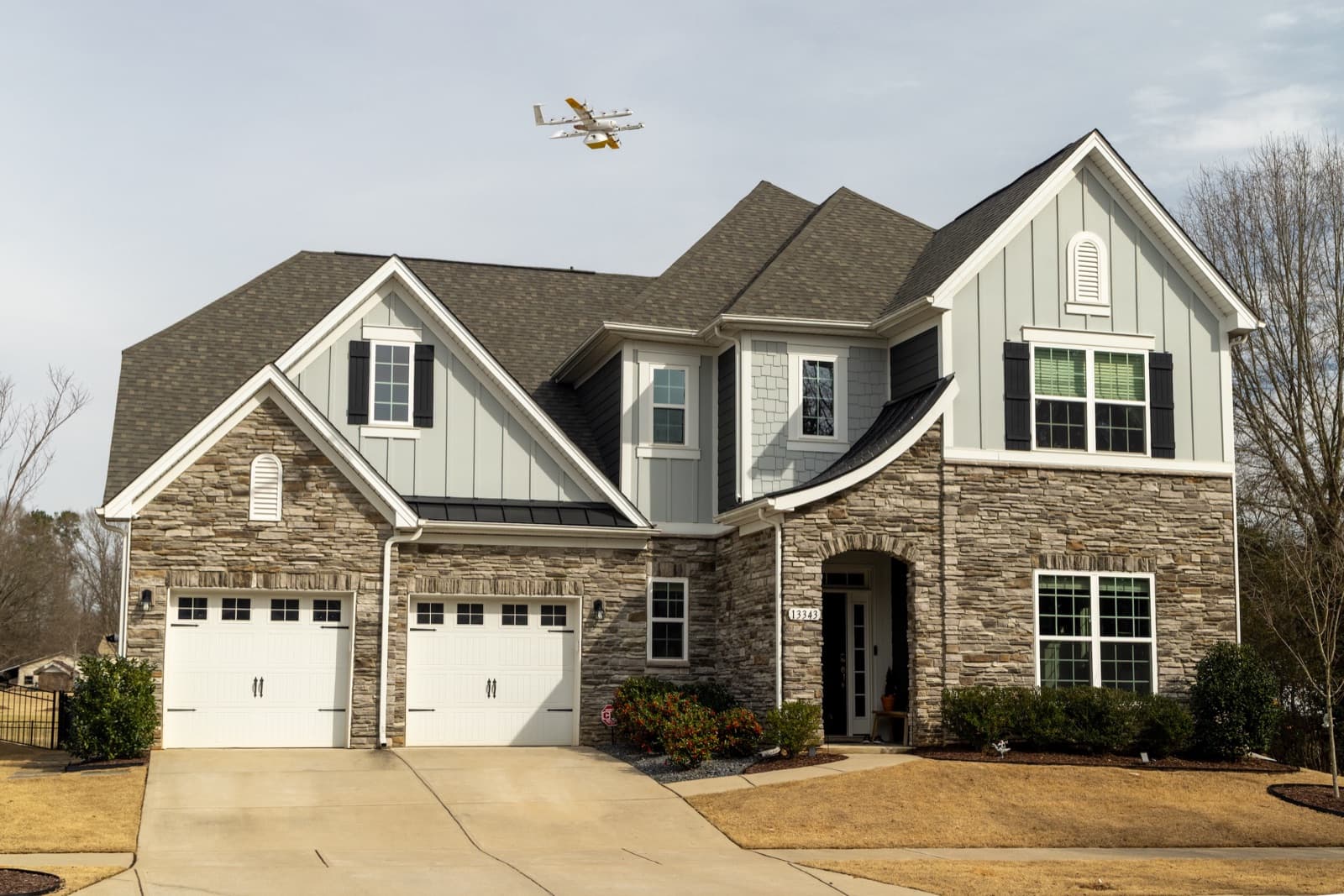
In July 2018, Wing, the delivery-drone company owned by Google's parent Alphabet, started a trial over Bonython, a suburb in Canberra's south.
Residents hadn't asked for it. Wing's idea of consultation was a barbecue, a presentation, and a letterbox flyer inviting locals to "get to know the Wing team, learn about the trial and order free prizes by drone". By the residents' estimate, only about a third of homes got the flyer. Those who went told the residents' group that if they'd seen a real drone in operation, rather than a promotional video with music playing over it, they'd never have signed up.
As the group later put it, Bonython residents felt like "guinea pigs in a done-deal experiment".
Nobody was in charge of the noise
Noise was the single largest source of complaints during the trial. Many residents felt they had to leave their homes for long stretches just to get away from it.
When they complained, they were bounced between agencies. CASA took six weeks to say it doesn't handle noise. The ACT's environment regulator said "we don't do aircraft noise". Airservices Australia said it only covers piloted aircraft.
So they organised
Residents formed Bonython Against Drones (BAD). They door-knocked the suburb and found 80% of the residents they spoke to were opposed. Wing told the inquiry that only 40% of the feedback it received was negative. That's the difference between asking everyone and counting complaints. They took a petition of more than 1,000 signatures to the ACT Legislative Assembly.
Through freedom of information, they got the ACT Government's own draft risk assessment, written six months before the trial began. It flagged high-pitched noise, startled pets, photos of backyards and schoolyards, and liability risks. It even rated an Assembly inquiry or bad national press as a "catastrophic consequence". Both happened.
Freedom of information also showed them how far the rules had been bent. At the time, the standard rules said a drone must stay 30 metres from people. According to the residents' submission to the inquiry, Wing's exemption from CASA let its drones come within 5 metres overhead and 2 metres to the side.
And who was it all for? Only 164 people out of about 4,000 could use the service. As the researchers who studied the trial put it, "a service used by less than 5% of the local population had to be endured by the other 95%".
The argument that won
Residents, including a retired aviation-law expert, made a precise legal point: delivery drones were not exempt from the federal aircraft noise regulations.
In 2019 the federal department agreed and opened a review. The ACT inquiry put it plainly: "Without BAD's intervention it is likely that federal authorities would have continued to misinterpret the relevant legislation."
That's why, today, a delivery-drone operator in Australia must apply for a federal noise approval, and why complaints can lead to limits on hours and flight numbers, or to an approval being revoked.
But seven years on, there's still no noise limit. The national noise framework that was meant to set one is still listed as "developing".
What it didn't do
It didn't stop Wing. Wing ended the Bonython trial a few weeks before its licence ran out, and within a month of the inquiry's hearings it was flying over Gungahlin, in Canberra's north. The ACT Government said it was "all but powerless". The inquiry's most concrete recommendation, an independent study of the effect on wildlife, has never been produced.
Wing left Canberra in 2023 and ended all its Australian deliveries in January 2026. No source says that was because of residents, so we won't claim it.
What it means for us
Bonython shows that organised residents with good evidence can change the rules, even when every agency says it's not their job.
It also shows what happens when you start late. By the time Bonython organised, the drones were already flying. As far as anyone knows, Amazon hasn't applied for anything here yet. That's why we're starting now.
And the residents' own words could be ours: "We are not an anti-drone group. We are anti noisy, horrible, invasive delivery drones."
Sources: Zenz & Powles, "Resisting technological inevitability", Royal Society, 2024 (164 of ~4,000; 5%/95%) · ACT Legislative Assembly, Inquiry into Drone Delivery Systems, 2019 · Bonython Against Drones, submission to the ACT inquiry, 2019 (flyer, CASA exemption) · Canberra Times, Nov 2018 (the ACT Government's risk assessment) · Region Canberra, Jun 2019 (department reviews the noise rules) · Canberra Times, Mar 2019 ("all but powerless") · drones.gov.au, drone noise approval · drones.gov.au, noise policy (framework still "developing") · ABC News, Sep 2023 (Wing leaves Canberra) · DoorDash Australia help page (Wing ends Australian service, Jan 2026)
Add your name
It takes 30 seconds. Your signature is stored in Australia.
Sign the petition